
Mole National Park
Ghana’s flagship safari — elephants, savannah, and a slower northern clock.
Wildlife & Safari
Why go
Ghana’s largest national park: walking and vehicle safaris, elephants at watering holes, and a landscape that feels a world away from the coast.
- Elephant viewing and savannah game drives
- Guided walking safaris with park rangers
- Birdlife across Guinea savannah woodland
- Larabanga Mosque on the approach
- A complete change of pace from Accra and the coast
The place
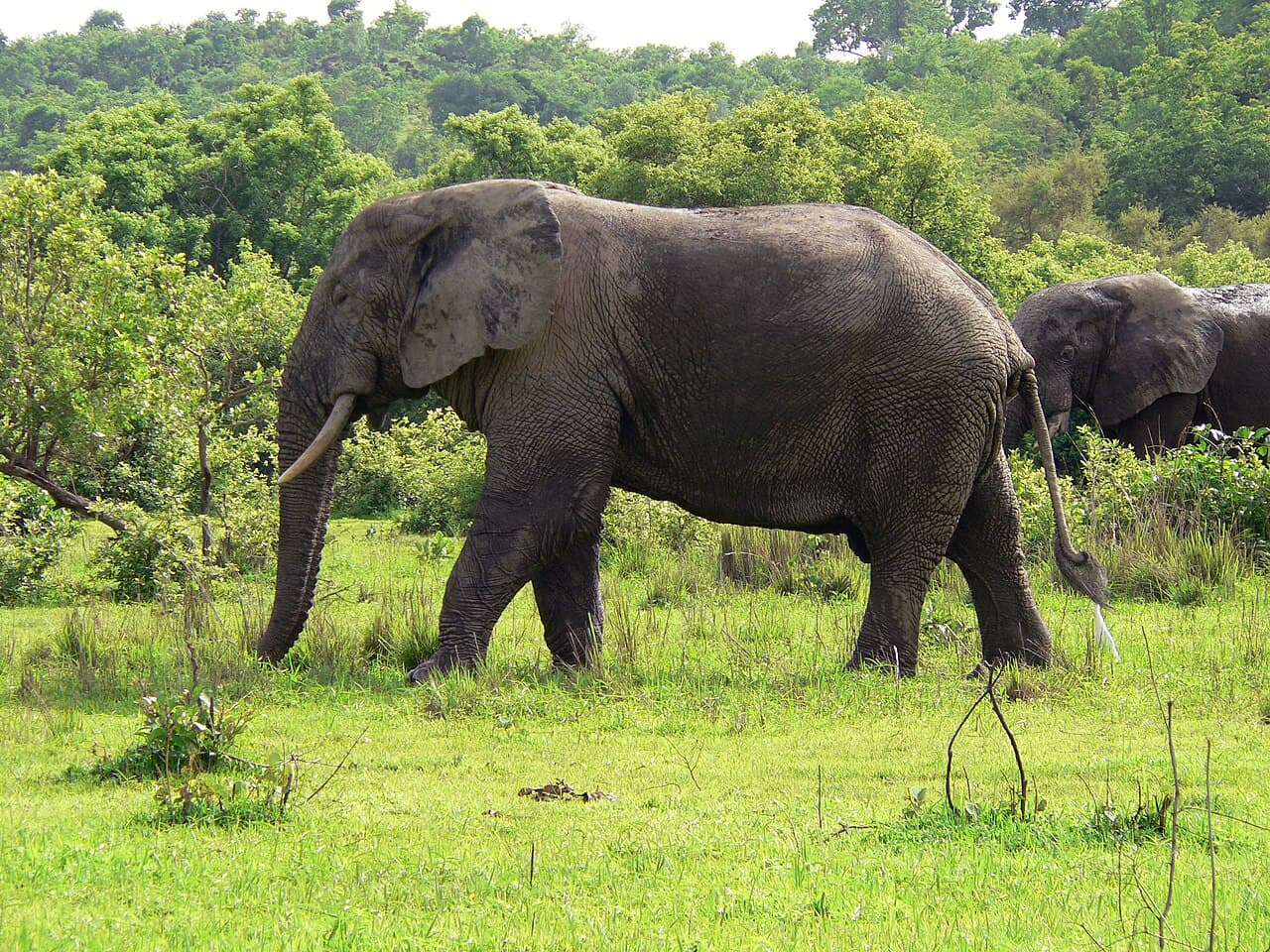
Mole National Park covers about 4,840 square kilometres of savannah woodland in Ghana’s north. It is the country’s best-known place to see elephants, along with antelope, warthogs, and more than 300 bird species. This is not East African big-five marketing. It is a West African park with its own rhythm: heat, dust, watering holes, and guides who know the ground.
Many visitors stay at Mole Motel, which looks over a watering hole where elephants sometimes appear without anyone leaving the terrace. Walking safaris and vehicle drives run with park guides. Nearby Larabanga is home to a historic mud-and-stick mosque — one of the oldest in Ghana — and is a meaningful stop on the same northern road.
The dry season, roughly November to April, is when animals concentrate around water and viewing is usually better. Mole is a commitment: a long road or a domestic flight into the north, then a transfer. That is exactly why a connected plan matters. TransVista’s job is to make that northern chapter feel intended, not improvised.